Sweet Roast: A Handwritten Font with Genuine Charm
In a world saturated with polished digital interfaces, there's a growing hunger for designs that feel authentic and human. This is precisely where the Sweet Roast typeface finds its sweet spot. It’s not just another script font; it’s a carefully crafted premium font that captures the imperfect, textured beauty of real handwriting. As a display font, it immediately draws the eye, but its true strength lies in its ability to inject personality and warmth into a project without sacrificing legibility.
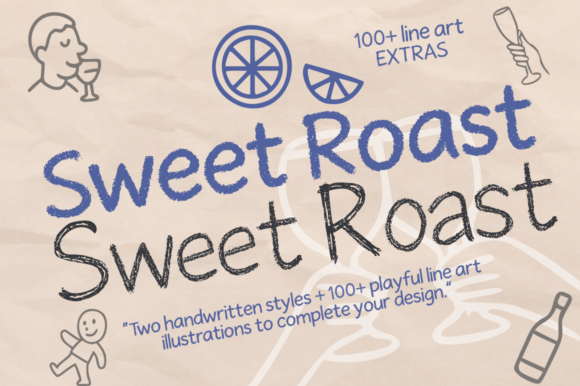
What sets this handwritten font apart is its dual-style nature. You receive two complementary versions: a clean, slightly distressed style that offers a subtle vintage feel, and a rough sketch outline that provides a more energetic, illustrative quality. This versatility is a significant advantage for designers. You can use the clean version for body text on a menu or the outline style for a bold headline on a poster, all while maintaining a cohesive brand identity. The natural texture within each letterform gives the text an immediate, tactile quality, making digital designs feel more grounded and print designs more engaging.
Where Sweet Roast Truly Shines: Practical Applications
Understanding a font’s ideal use cases is key to effective modern typography. Sweet Roast excels in projects where a cheerful, casual, and approachable tone is desired. Its playful irregularity makes it a powerhouse for specific applications.
- Café and Restaurant Branding: Imagine a bakery’s menu board or coffee shop signage. The Sweet Roast font duo delivers that artisanal, hand-crafted vibe instantly. It pairs beautifully with earthy color palettes and rustic textures, helping to build a cozy and inviting brand identity.
- Event Marketing and Posters: For lighthearted community events, children’s parties, or farmers' market promotions, this creative font cuts through the noise. Its scratchy, endearing look is perfect for posters and flyers that need to feel fun and accessible rather than corporate.
- Packaging Design and Labels: Small-batch products, artisanal goods, or children’s snacks benefit immensely. The font’s character helps products stand out on shelves, conveying a story of authenticity and care. It’s an excellent tool for packaging design that needs to tell a story.
- Digital Content and Social Media: In the fast-paced world of social media graphics, a display font like Sweet Roast can stop the scroll. It’s ideal for Instagram quotes, YouTube thumbnails, blog post titles, and Pinterest pins where personality drives engagement. For web design, it works best in headlines or call-to-action buttons, paired with a simple sans serif font for readability.
Beyond these, its included 100+ line art illustrations are a fantastic bonus, offering ready-made doodles that complement the font’s aesthetic perfectly for themed graphics and design assets.
Making It Work: Pairing, Readability, and Strategy
While a handwritten font like Sweet Roast is expressive, using it effectively requires some strategic thought. The goal is to leverage its charm without compromising the user experience or professional tone of your project.
Font Pairing for Balance
The golden rule with any expressive script font is balance. Sweet Roast’s textured, detailed letterforms demand a clean partner. A neutral serif font like Lora or a geometric sans serif font like Montserrat creates a beautiful contrast, allowing the handwritten style to headline without overwhelming the layout. This pairing establishes a clear visual hierarchy, guiding the reader’s eye naturally from the expressive title to the informative body text.
Readability and Context
Always test for readability at the intended size. While legible for a display font, its textured nature means very small sizes or long paragraphs of body text could strain the eye. Use it for short bursts of text: headlines, subheadings, pull quotes, or single-word accents. In editorial design, consider using the clean style for chapter titles, but opt for a standard serif font for the main copy. This thoughtful application enhances the reader’s experience rather than hindering it.
Evaluating Project Fit and Licensing
Before committing, ask: does this font’s personality align with the project’s core message? Sweet Roast is ideal for brands that want to appear friendly, creative, and human. It might not suit a law firm’s annual report, but it’s perfect for a children’s book author or a local pottery studio. As a commercial font, always review the licensing terms to ensure your intended use—whether for a client’s logo, merchandise, or digital ads—is covered. This due diligence is a mark of professionalism.
Ultimately, Sweet Roast is more than just a typeface; it’s a design toolkit for adding a layer of authentic, cheerful energy. By understanding its strengths and applying it with strategic intent, you can create work that feels both visually distinctive and deeply connected to its audience. It’s a reminder that in logo design, packaging design, or a simple social post, the right font doesn’t just convey words—it conveys feeling.