Mukjizat Ramadhan: Capturing Sacred Moments in Handwritten Elegance
There’s a particular weight to design work tied to sacred occasions. You want it to feel respectful, beautiful, and deeply authentic—not like a generic template with a crescent moon slapped on it. This is the challenge many of us face when creating materials for Ramadan, Eid, or other Islamic observances. We need a typeface that doesn’t just sit on the surface, but carries the spirit of the event. Mukjizat Ramadhan is a premium font that answers this need with remarkable grace. It’s more than a script font; it’s a piece of Islamic artistry translated into a functional design asset.
A Typeface with Soul: Understanding the Visual Character
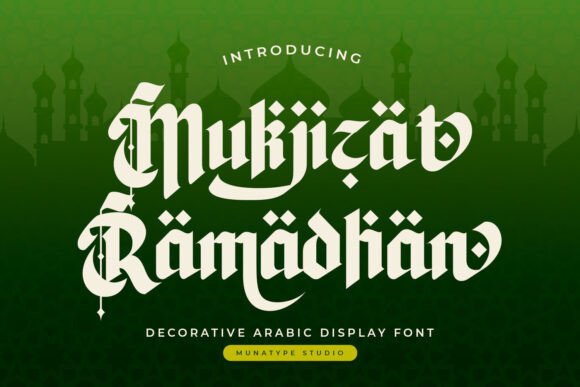
At its core, Mukjizat Ramadhan is a handwritten font and a calligraphic font rolled into one. Its personality is rooted in elegance and devotion. The curves are fluid and deliberate, mimicking the flow of a skilled hand. The strokes vary in weight, giving it a human, organic quality that cold, geometric typefaces lack. This isn’t about mimicking a specific historical script perfectly, but about evoking a feeling of reverence and artistry. The modern typography approach here means it’s legible and versatile for contemporary projects while retaining that essential sacred character.
What truly sets it apart is its depth. With over 100 alternate characters, you have incredible control. Need a slightly different flourish on the “B” for a headline? It’s there. Want to avoid repetitive letterforms in a long word like “Ramadhan”? You can swap them out. This level of customization allows you to craft truly unique logo design or typographic art that feels bespoke, not off-the-shelf.
Where This Font Truly Shines: Practical Applications
Knowing a font is beautiful is one thing. Knowing where to use it is where strategy comes in. Mukjizat Ramadhan is a display font at heart, meaning it’s built for impact at larger sizes. Think of it as your headline hero, not your body copy workhorse.
For brand identity projects, it’s a natural fit for businesses or organizations centered around Islamic culture, community, or spirituality. A mosque’s new visual system, a halal food brand’s packaging, or a charity’s Ramadan campaign materials could all find a powerful voice in this typeface. Its elegance lends immediate professionalism and recognition.
In editorial design and publishing, use it for chapter titles, magazine covers, or pull quotes in a publication about faith, culture, or lifestyle. For web design, it can elevate a hero section on a landing page for an Eid event or a Ramadan promotion, but pair it wisely with a clean sans serif font for body text to ensure readability.
The applications extend to social media graphics and packaging design. Imagine Instagram posts for a bakery’s special Eid cookies, or the label on a dates gift box. The font adds a layer of perceived value and cultural authenticity that resonates deeply with the audience. It’s a creative font that bridges the personal and commercial, perfect for a crafter making handmade Eid cards or a small business owner designing their product tags.
Making It Work: A Designer’s Practical Guide
Choosing a font is just the start. Using it effectively is the craft. Here’s how to approach Mukjizat Ramadhan in your workflow.
- Evaluate the Fit: Does the project’s tone align with the font’s elegant, devotional personality? It’s ideal for sacred and celebratory themes, but might feel out of place for a tech startup or a high-energy sports brand.
- Master the Font Pairing: This is crucial. Because Mukjizat Ramadhan has strong personality, balance it with something neutral and highly legible. A simple geometric sans serif font or a clean serif font for supporting text will create a clear visual hierarchy and improve overall readability.
- Explore the Alternates: Don’t just type and go. Dive into the OpenType features in your design software. Experimenting with the alternate characters is where you move from using a font to truly designing with it. This is key to avoiding a generic look and enhancing audience engagement.
- Check the License: If your project is commercial—like a client’s logo, a product for sale, or a paid advertisement—ensure you have the correct commercial font license. This protects you and respects the creator’s work.
Remember, the goal is consistency. Once you choose your pairings and specific alternates, document them. Use them consistently across all touchpoints to build a cohesive and recognizable brand identity or project style. The beauty of Mukjizat Ramadhan is that it offers the tools for both uniqueness and consistency, allowing your designs to carry the profound spirit of these occasions with authenticity and modern flair.